How Game Developers Align Promotional Rewards with Mobile Transaction Options in Live Jackpot Table Environments
Geschrieben von Xander Schwarz · 31.10.2026
How Game Developers Align Promotional Rewards with Mobile Transaction Options in Live Jackpot Table Environments
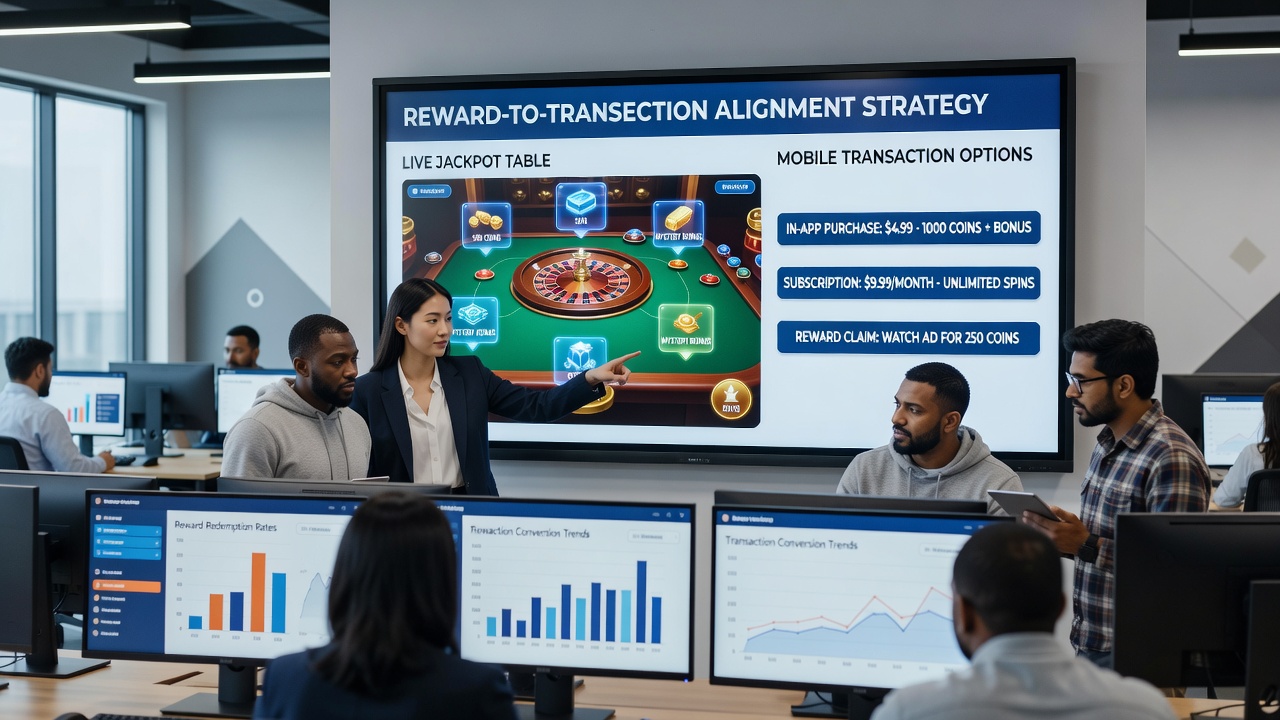
Game developers in the online gambling sector coordinate promotional rewards with mobile transaction systems to support live jackpot table environments where real-time player engagement drives revenue. These alignments allow seamless integration of bonuses, multipliers, and prize pools directly into payment flows that occur on handheld devices during active table sessions. Developers achieve this coordination through API connections between game engines, payment gateways, and backend reward management platforms that update instantly as transactions complete.
Core Mechanics of Reward and Transaction Integration
Live jackpot tables operate on continuous data streams that track player bets, wins, and participation levels while mobile transaction options handle deposits and withdrawals in seconds. Developers build systems that trigger promotional rewards automatically when specific transaction thresholds are met, such as a deposit made during a high-stakes blackjack round that unlocks a progressive jackpot contribution. This process relies on standardized protocols that ensure rewards scale according to transaction size and frequency without interrupting gameplay flow.
Payment processors supply data points on transaction methods, currency types, and user verification status that feed into reward algorithms. When a player completes a mobile deposit using a preferred digital wallet, the system can apply tiered bonuses that add directly to the live jackpot pool visible on the table interface. Such mechanics maintain consistency across different mobile operating systems and network conditions.
Technical Frameworks Supporting Real-Time Alignment
Developers employ modular software architectures that separate the jackpot engine from the transaction layer yet connect them through secure event listeners. These listeners detect mobile payment confirmations and immediately adjust promotional parameters like bonus percentages or entry qualifications for ongoing table tournaments. In October 2026 several major platforms rolled out enhanced encryption layers that protect both transaction data and reward allocations during peak live table hours.
Testing environments simulate thousands of concurrent mobile transactions to verify that reward triggers activate correctly under variable latency conditions. Observers note that successful implementations reduce processing delays to under two seconds, allowing players to see updated jackpot meters reflect new contributions without leaving the table view. Companies maintain detailed logs that regulatory bodies review to confirm compliance with payout transparency rules.

Regional Regulatory Influences on Development Practices
Developers adjust reward structures to meet requirements set by different licensing jurisdictions that govern mobile gambling operations. The New Jersey Division of Gaming Enforcement publishes guidelines on bonus disclosure that influence how promotional rewards appear alongside transaction confirmations in live environments. Similar frameworks exist in other markets where authorities require clear separation between deposited funds and bonus amounts during active play.
Research from the Australian Gambling Research Centre indicates that synchronized reward and payment systems correlate with higher player retention rates in live table formats. Developers incorporate these findings by designing flexible bonus schedules that adapt to transaction patterns observed across geographic regions while maintaining audit trails for each reward event.
Case Examples from Industry Implementations
One development team working on a European-facing live roulette platform linked mobile bank transfer options to escalating jackpot contributions that activated only after players completed a minimum number of deposits within a session. This approach created measurable increases in average session length according to internal performance metrics shared with industry partners. Another group focused on Asian markets integrated cryptocurrency transaction flows with time-limited promotional multipliers that applied directly to progressive jackpot entries during peak evening hours.
These implementations demonstrate how transaction flexibility supports targeted reward delivery without requiring players to navigate separate menus. Developers continue to refine detection algorithms that identify optimal moments for reward activation based on transaction velocity and table occupancy data.
Future Development Directions Observed in 2026
Industry reports from October 2026 highlight growing adoption of artificial intelligence models that predict transaction behaviors and pre-stage promotional rewards accordingly. These models analyze historical mobile payment data to suggest reward types that align with individual player patterns while preserving fairness across the live jackpot ecosystem. Cross-platform compatibility remains a priority as developers expand support for newer mobile payment standards entering the market.
Conclusion
Game developers maintain alignment between promotional rewards and mobile transaction options through integrated technical systems that respond instantly within live jackpot table environments. Regulatory compliance, performance testing, and regional adaptation shape the specific mechanics used across different platforms. Data from multiple oversight bodies and research institutions continues to inform refinements that keep these systems functional and transparent for all participants.