Provider Strategies for Aligning Reward Mechanics with Transaction Flexibility in Handheld Real-Time Table Formats
Geschrieben von Jordan Foster · 17.10.2026
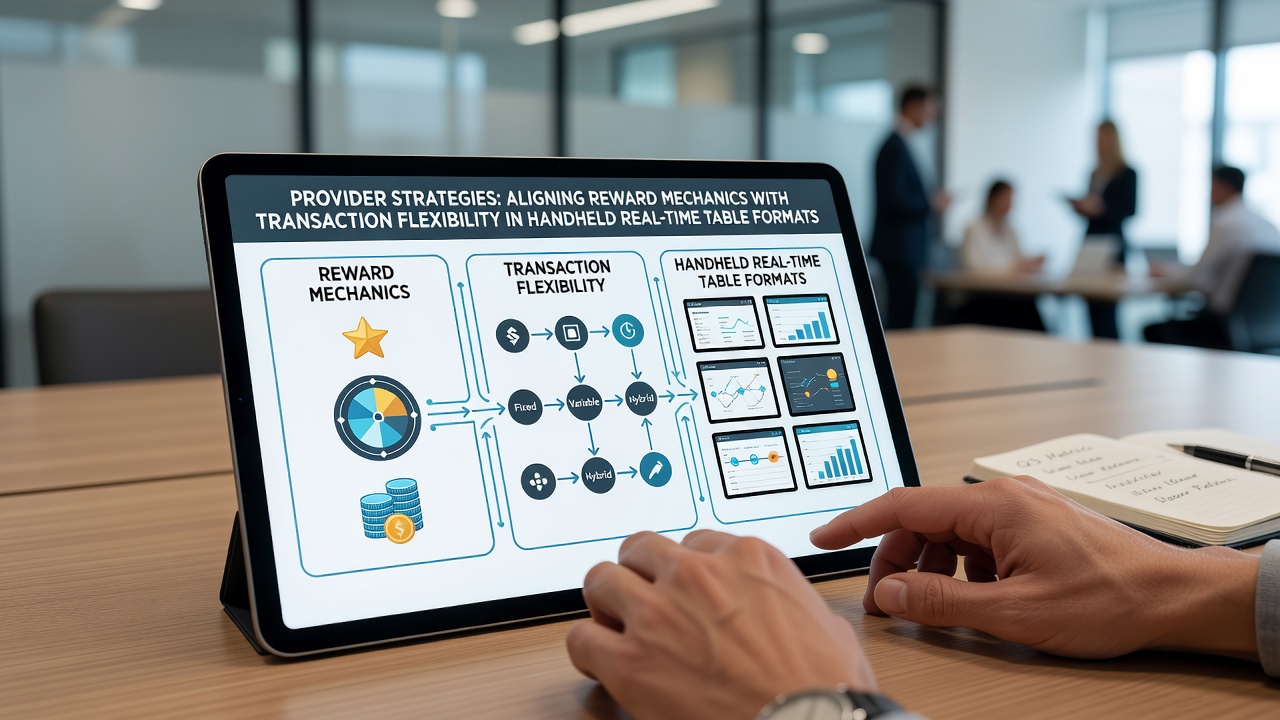
Provider Strategies for Aligning Reward Mechanics with Transaction Flexibility in Handheld Real-Time Table Formats
Providers operating in the handheld real-time table formats space have focused on synchronizing reward mechanics such as loyalty points, cashback tiers, and progressive multipliers with transaction systems that support instant deposits, multi-currency conversions, and flexible withdrawal schedules across live dealer tables accessed via smartphones and tablets, and data released in October 2026 from industry monitoring bodies shows continued investment in these integrated platforms as mobile sessions account for growing shares of table game activity.
Core Components of Reward Mechanics in Mobile Table Environments
Real-time table formats on handheld devices require reward structures that activate during live sessions without interrupting gameplay flow, and researchers have documented how providers layer tiered bonuses onto bet tracking systems so that accumulated points convert directly into wager credits or fee reductions while players remain engaged with dealers in blackjack, roulette, or baccarat streams, whereas static reward models from earlier desktop eras often failed to account for the shorter, fragmented mobile usage patterns that dominate current data sets.
Studies from academic gaming research centers indicate that effective mechanics tie reward multipliers to transaction velocity, allowing players who complete rapid deposits during peak table hours to unlock enhanced return percentages on subsequent hands, and this linkage relies on backend APIs that pull payment confirmation timestamps into the game engine within milliseconds to maintain session continuity.
Transaction Flexibility Requirements and Technical Integration
Handheld platforms demand payment gateways capable of handling variable stake sizes in real time, and experts have observed that providers now embed options for instant e-wallet top-ups alongside scheduled bank transfers within the same interface, which lets users adjust funding methods mid-session without exiting the table view, and observers note that this flexibility reduces drop-off rates when table minimums shift or when players encounter winning streaks that prompt larger follow-up wagers.
According to a report published by the Canadian Gaming Association, integration of flexible transaction layers with reward engines has produced measurable lifts in average session duration during 2025 testing cycles, where users who accessed both instant deposit buttons and corresponding bonus triggers stayed engaged 18 percent longer than those limited to single-method payments.
Strategic Alignment Approaches Adopted by Providers
Alignment strategies typically begin with unified data pipelines that feed transaction logs directly into reward calculation modules, and one documented case involved a provider linking progressive jackpot contributions to deposit frequency so that frequent small transactions generated additional ticket entries without requiring separate bonus claims, while larger single deposits triggered immediate loyalty tier jumps that carried over to the next live table rotation.
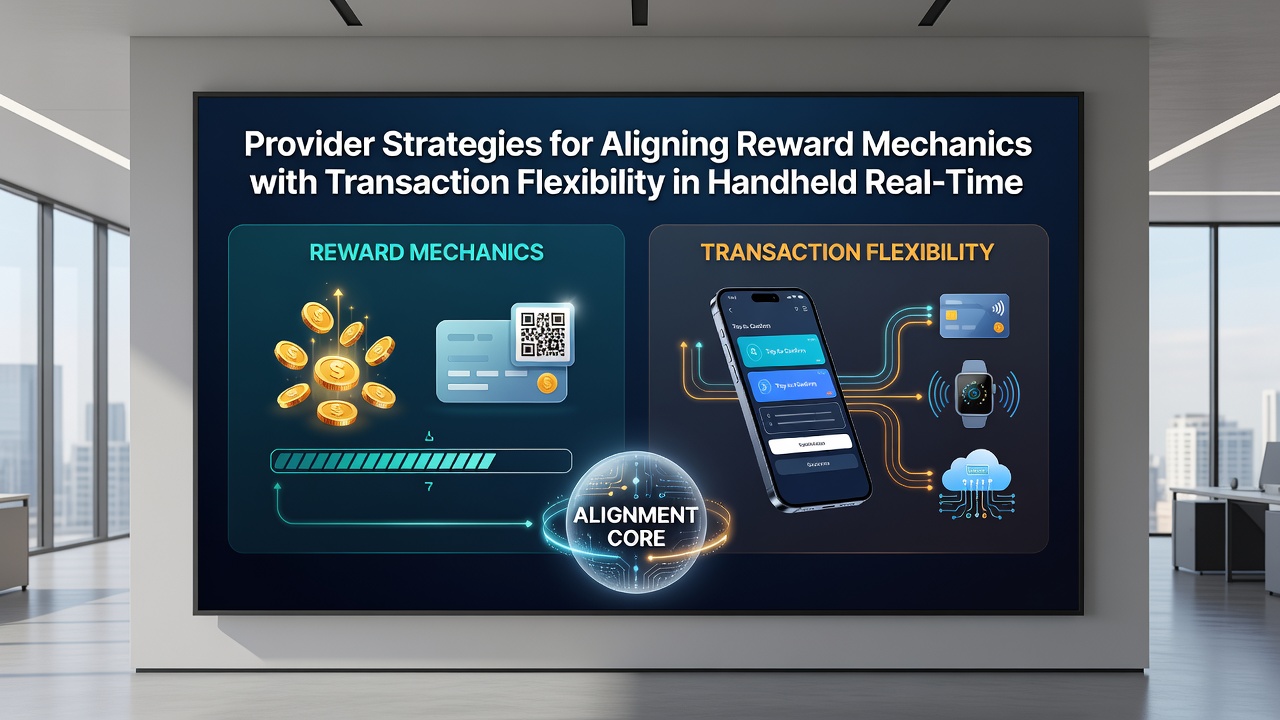
Another approach documented by industry analysts pairs time-limited reward windows with transaction flexibility, so that a player completing a deposit within a 15-minute bonus activation period receives an automatic multiplier applied to the next three hands, and this method depends on geofenced push notifications that surface payment options without pulling focus from the dealer feed, and research indicates these timed alignments perform best when the underlying payment processor supports sub-second authorization across multiple regional networks.
Providers have also explored conditional reward scaling, where the value of a bonus scales with the chosen transaction method's speed and fee structure, rewarding instant options with higher percentages than scheduled methods, and data from testing environments shows this encourages users to select faster channels that align with the continuous nature of real-time tables.
Regulatory and Infrastructure Considerations Across Regions
Regional regulatory frameworks shape how providers implement these alignments, and authorities in Nevada have required clear separation between transaction records and reward ledgers to ensure audit trails remain intact during live sessions, whereas Australian oversight bodies have emphasized player-set spending caps that interact dynamically with reward accrual rates to prevent unintended escalation, and these differing rules have prompted providers to develop modular systems that adapt compliance layers based on user location without altering core reward-transaction linkages.
Technical infrastructure updates reported in late 2026 include expanded support for low-latency payment rails that sync with 5G mobile networks, allowing reward updates to reflect new deposits before the next card is dealt, and providers testing these systems note reduced latency complaints when reward visuals appear simultaneously with transaction confirmations on the handheld screen.
Conclusion
Providers continue refining these alignment methods through iterative platform updates that connect reward engines more tightly with evolving transaction options, and ongoing monitoring by regulatory and research entities supplies the performance metrics that guide further refinements in handheld real-time table formats, ensuring reward mechanics remain responsive to the flexible payment behaviors observed across diverse player segments.